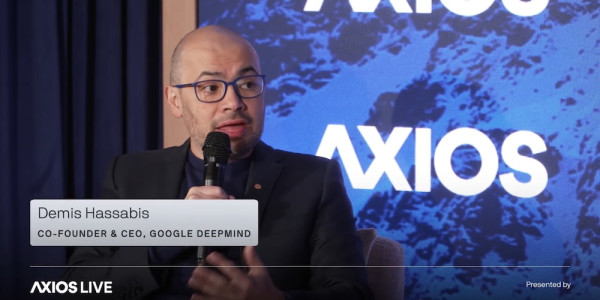
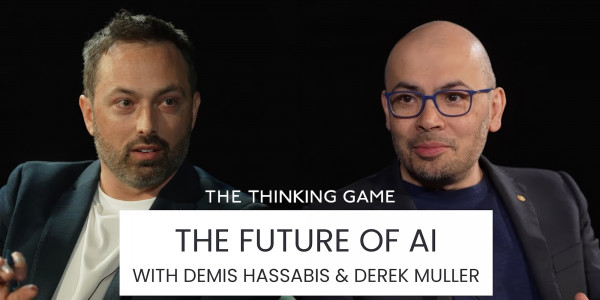
DeepMind Demis Hassabis on AI's Future and Why He Won't Rush Into Advertising
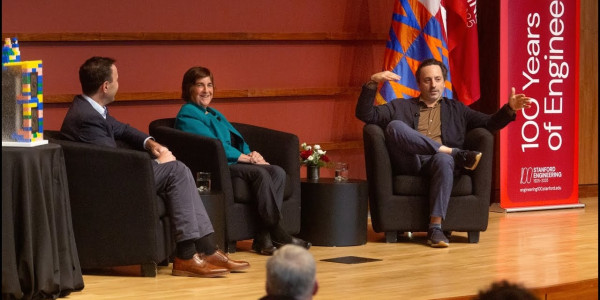
Demis Hassabis, the Nobel-winning CEO of Google DeepMind, envisions a future where AI transcends current hurdles—such as long-term planning and "true creativity"—through recursive self-learning, provided the field can bridge the gap in robust world models and verification. While he remains cautious about integrating advertising into AI assistants due to the potential for eroding user trust, he suggests that fierce commercial demand for reliable enterprise tools will paradoxically drive better practical safety guardrails as we move toward AGI.
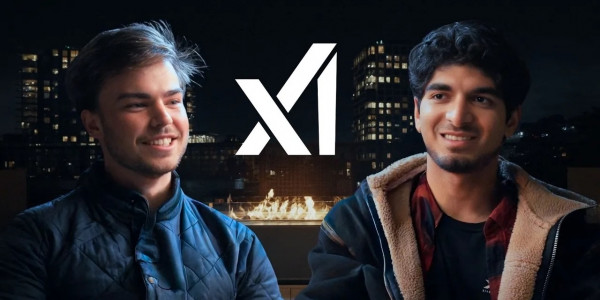
The 71-Minute Interview That Ended an xAI Career
Sulaiman Ghori's career at xAI ended in January 2026, just four days after a 71-minute podcast interview where he revealed sensitive details about the company's "move fast" culture. Ghori disclosed regulatory loopholes used for the Colossus data center, the stealth "Macrohard" project, and an audacious plan to use idle Tesla vehicles as a distributed computing network. His swift exit highlights the strict code of silence and extreme intensity that define Elon Musk's most secretive ventures.
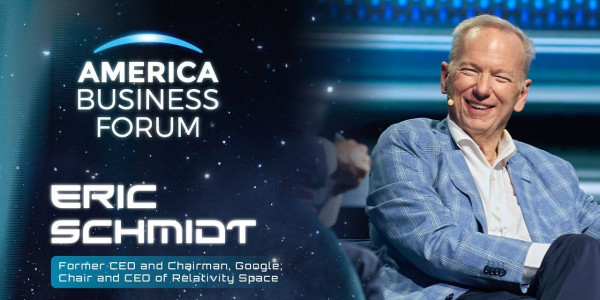
Eric Schmidt Says We're Building Something More Powerful Than We Understand
Eric Schmidt delivered a compelling warning at the America Business Forum in Miami, arguing that we are on the cusp of a transformation as profound as any in human history – largely driven by rapidly advancing artificial intelligence. He highlighted breakthroughs like AI-generated Shakespearean sonnets, sophisticated language models, and reasoning systems capable of outperforming experts, predicting a future where access to “superhuman” intelligence could be democratized globally.
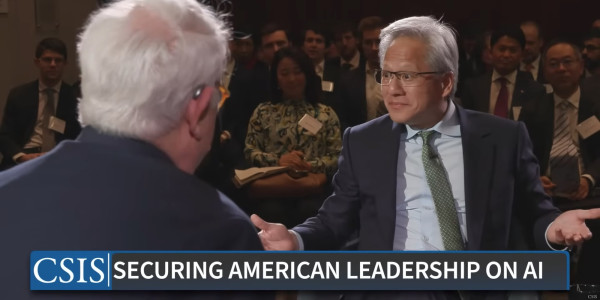
Jensen Huang's Blueprint for Winning the AI Race Against China
Jensen Huang argues that America’s AI competition with China is far more complex than headlines suggest, focusing on a “five layer stack” – energy, chips, infrastructure, AI models, and applications. While the U.S. maintains an edge in chip technology and AI models, China dominates energy capacity, manufacturing, and open-source development, creating significant competitive disadvantages. Huang stresses that America’s ambivalence towards energy growth and its reluctance to reindustrialize are key vulnerabilities.
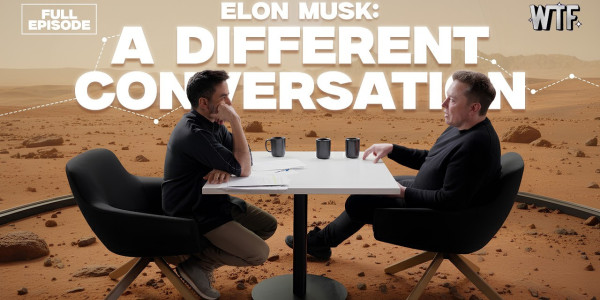
Elon Musk Predicts Work Will Be Optional in 20 Years: What It Means for Entrepreneurs Today
In a wide-ranging conversation with Nikhil Kamath, Elon Musk argues that the core of entrepreneurship is being a "net contributor" to society by focusing on creating useful products rather than chasing wealth. He describes a rapidly approaching future where AI and robotics will trigger a "supersonic tsunami" of productivity, potentially leading to a post-work society where energy replaces currency and collective human consciousness is amplified through interconnected technology like X and Starlink.
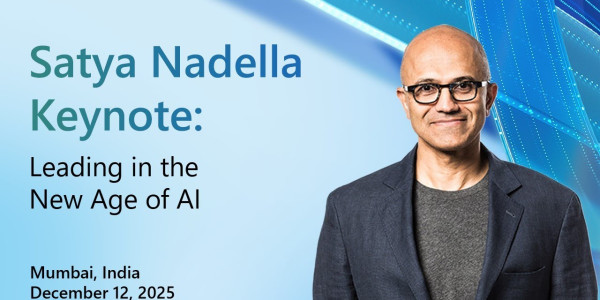
Microsoft's Big Bet on India: Inside Satya Nadella's Vision for AI-Powered Transformation
At the Microsoft AI Tour in Mumbai, CEO Satya Nadella showcased a significant shift in the AI landscape, moving from theoretical potential to a "builder's era" where the barrier to creating sophisticated applications has drastically lowered. By demonstrating a personal cricket research tool built over a weekend, Nadella illustrated a new "test-driven" development philosophy where users utilize "context engineering" and multi-agent frameworks—like the "LLM council"—to solve complex problems through iterative debate rather than rigid specifications.
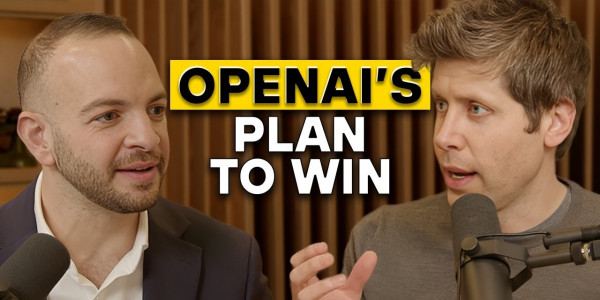
Sam Altman Says GPT-6 Is Coming Soon and Big Scientific Discovery Is Next
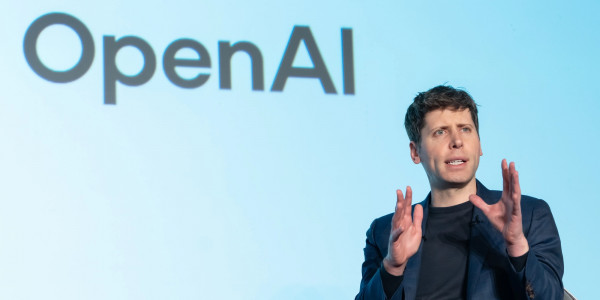
Despite mounting competition from rivals like Google and DeepSeek, OpenAI CEO Sam Altman maintains that ChatGPT’s dominance is secured by its AI-first user experience and deep personalization rather than simple distribution. The company is currently pivoting toward a massive enterprise infrastructure role, reporting that its API business is outgrowing its consumer sector and that its latest reasoning models now outperform human experts on over 70% of knowledge work tasks.
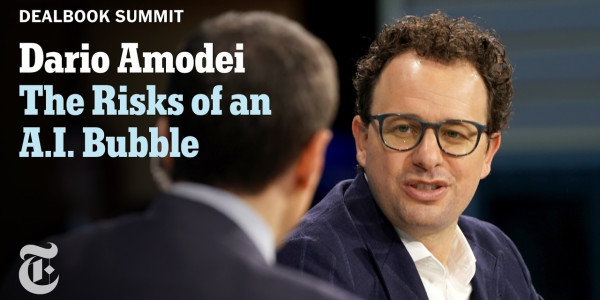
The AI Bubble Risk: How Uncertainty Could Create the Next Tech Crash
Anthropic CEO Dario Amodei highlights a stark divide in the AI industry between sustainable growth and "yoloing" financial risks, noting that while the technology’s capability follows a predictable upward trajectory, the business models supporting it are increasingly precarious. Companies are navigating a "cone of uncertainty," making $50 billion infrastructure bets today for customers they hope to have in 2027, often relying on "circular deals" where chip makers fund the very startups that buy their hardware.
The Google Co-Founder's Retirement Mistake: Why Sergey Brin Returned to Work on Gemini
Google co-founder Sergey Brin reflected on his short-lived retirement, calling it a "mistake" because the lack of intense technical challenges left him feeling intellectually dull. This realization, combined with his admission that Google initially "messed up" by underinvesting in the AI revolution it helped start, spurred his return to active duty to work on the Gemini AI project.
Inside Google DeepMind's Robotics Lab: Where AI Learns to Pack Your Lunch
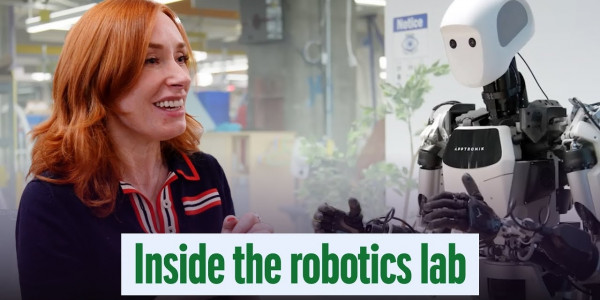
Google DeepMind is revolutionizing robotics by moving away from rigid, pre-programmed movements toward Vision-Language-Action (VLA) models that allow robots to comprehend and adapt to the real world. By utilizing the same reasoning architectures as large language models—including "chain-of-thought" processing—these robots can now perform complex, long-horizon tasks like packing luggage or sorting trash based on abstract goals rather than step-by-step instructions.
Building an AI Career in 2025: Why Stanford's Andrew Ng Says This Is Still the Golden Age
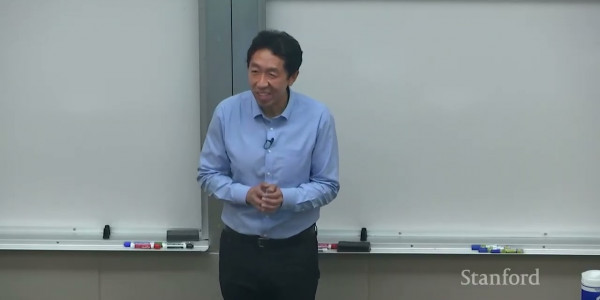
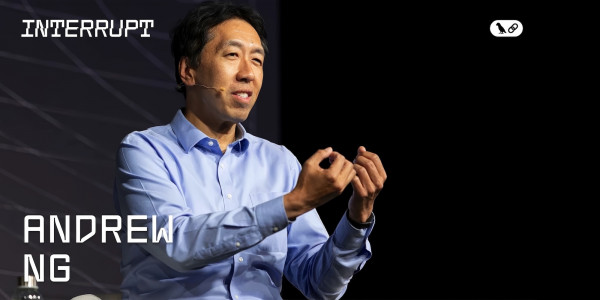
The current hiring slowdown is a correction from previous overhiring, shifting the demand toward candidates who can demonstrate real business value, execute projects independently, and collaborate effectively. To succeed, graduates must look beyond prestigious brand names and focus on working with high-quality teams, mastering both large-scale and specialized Small AI models, and maintaining a bias toward delivery by building functional solutions rather than just listing technical credentials.
London AI Summit with Macron, DeepMind & Mistral CEOs Share European AI Vision
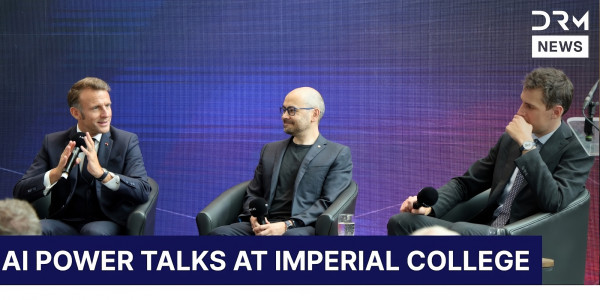
At a July 2025 summit in London, French President Emmanuel Macron, alongside AI leaders, declared Europe's determination to become a major player in the global AI race. Acknowledging Europe's current lag in computing capacity—possessing only 3-5% of global capacity despite 20% of demand—Macron outlined a strategic shift. The focus is now on building robust AI infrastructure, fostering talent, and bridging the gap between research and commercialization. By prioritizing scientific excellence, open-source models, and democratic values, Europe aims to achieve technological sovereignty and shape the future of AI on its own terms.
Anthropic New Claude for Financial Services Promise to Transform Finance Work
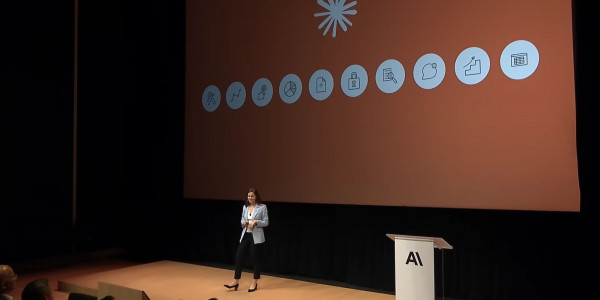
Anthropic has launched "Claude for Financial Services," its first industry-specific AI solution, aiming to revolutionize how financial professionals conduct research, build models, and make investment decisions. This AI, integrating with major financial data providers like FactSet and S&P Global, enables analysts to synthesize information and generate comprehensive reports much faster, with early adopters like Norway's sovereign wealth fund reporting significant productivity gains (20% or 213,000 hours saved annually) and AIG improving underwriting accuracy from 75% to 90%.
Inside Meta Zuckerberg Radical Vision for Personal AI That Could Change Everything
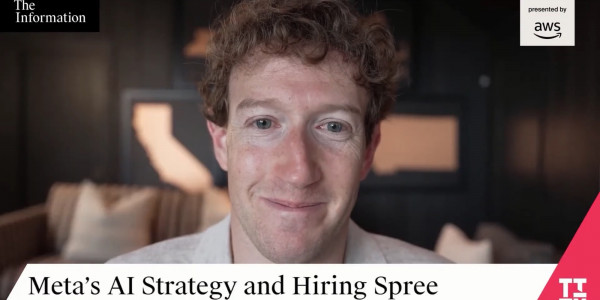
Mark Zuckerberg is steering Meta towards an ambitious future centered on "personal super intelligence," a vision distinct from other tech giants' pursuit of artificial general intelligence. Instead of focusing on large-scale problem-solving, Meta aims to develop powerful AI that enhances individuals' daily lives, particularly in areas like relationships, creativity, and productivity. This endeavor is backed by a staggering investment in infrastructure, including "hurricane-proof tents" for rapid data center deployment, and a unique approach to attracting top AI talent by offering massive computational resources over large teams.
Beyond ChatGPT: The Search for AI That Can Actually Think
The AI community has long misunderstood intelligence, focusing on memorization rather than true adaptive reasoning. Despite massive computational scaling, AI models performed poorly on benchmarks like François Chollet's Abstraction and Reasoning Corpus (ARC), which demands genuine problem-solving in novel situations. A breakthrough in 2024 with "test-time adaptation" allowed models to dynamically learn and adapt, achieving near-human performance on ARC. This signifies a crucial shift from simply scaling pre-training to integrating both intuitive and symbolic reasoning, much like human thought.
Osaka Expo 2025: China showcases AI, robots, and space tech
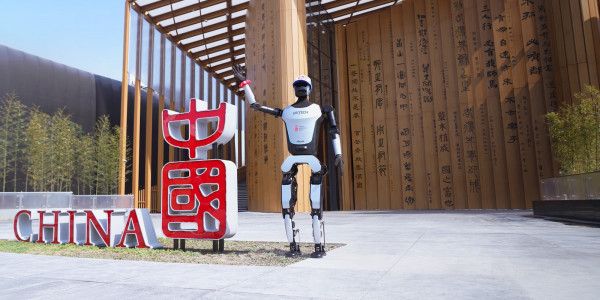
UBTECH Robotics is making significant strides in the humanoid robot market with two key innovations: the Walker S2 and the Walker C. The Walker S2 is the world's first humanoid robot capable of autonomous battery swapping, enabling 24/7 continuous operation in industrial settings without human intervention, effectively creating a "never-ending shift" for robotic labor. Standing 163 cm tall and weighing 43 kg, the Walker C features multilingual interaction, autonomous navigation, and human-like motion, highlighting a shift toward robots augmenting human capabilities in service-oriented applications like exhibition halls, offices, and shopping malls.
OpenAI Experimental Model Just Won Gold at the World's Hardest Math Competition
OpenAI has achieved a significant breakthrough in AI reasoning, with its experimental model securing a gold medal at the 2025 International Mathematical Olympiad (IMO). This marks a pivotal moment as the AI demonstrated human-level creative thinking and the ability to construct complex, multi-page mathematical proofs under strict competition conditions (two 4.5-hour sessions, no external tools, and natural language proofs). The model's success in solving five out of six problems, earning 35/42 points, highlights its advanced capabilities in sustained, intuitive mathematical reasoning, a domain previously thought to be uniquely human.
The Rise of Synthetic Customers: How ChatGPT Is Rewriting the Rules of Market Research
Companies are increasingly using AI to create synthetic customers for market research, simulating consumer responses with surprising accuracy, as highlighted by Harvard Business School research. This innovation allows for rapid and cost-effective testing of product concepts and pricing, fundamentally changing how companies approach innovation by enabling them to test many more variations before investing in human research. Fine-tuning these AI models with a company's proprietary historical customer data dramatically improves accuracy, providing a competitive advantage and suggesting a future where market research combines synthetic insights for broad exploration with targeted human research for validation and deeper understanding.
Inside OpenAI: What It's Really Like to Work at the World's Most Watched AI Company
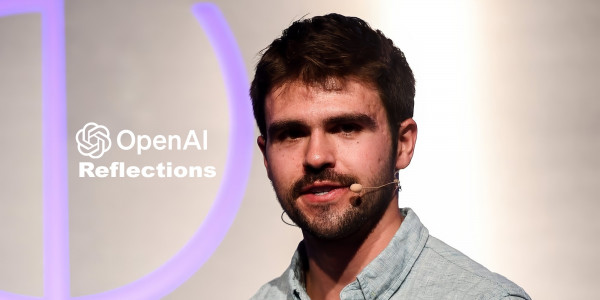
Calvin French-Owen, a former engineer at OpenAI, offers a candid look into the company's culture from May 2024 to July 2025. He describes an organization driven by secrecy, speed, and relentless ambition, where the workforce dramatically expanded from 770 employees in November 2023 to 3,531 by September 2024. French-Owen highlights OpenAI's unique operational style, characterized by a near-exclusive reliance on Slack for communication, a "bottoms-up" meritocratic structure, and an absence of traditional corporate planning. The company operates under intense public scrutiny, with a "very secretive" atmosphere regarding internal operations and finances.
The $150 Billion Lab in the Sky: ISS Medical Factory 259 Miles Above Earth
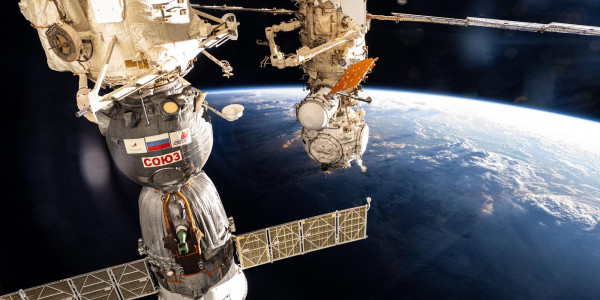
The International Space Station (ISS) serves as a unique orbiting laboratory, conducting groundbreaking research in microgravity that directly benefits humanity on Earth. Experiments on the ISS are revolutionizing medicine by providing unprecedented insights into cardiovascular and immune system behavior, leading to potential breakthroughs in treating heart disease, autoimmune disorders, and cancer. Beyond human health, the ISS is advancing life support technologies for future space missions, enabling the manufacturing of superior materials impossible to create on Earth, and providing critical Earth observation data for climate science and disaster preparedness
Andrew Ng Thinks Simple AI Agents Workflows Beat Complex Autonomous Systems
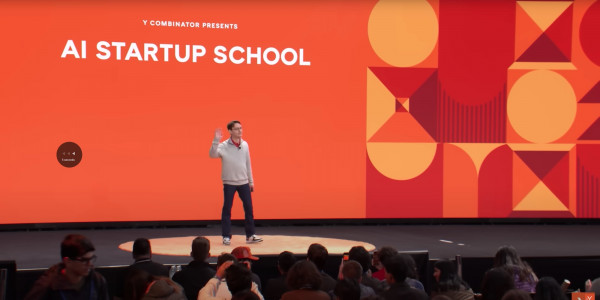
Andrew Ng argues that in the rush to build AI agents, developers mistakenly prioritize complex autonomous systems over simpler, linear workflows. He advocates for starting with straightforward business processes that can be broken into sequential steps, leveraging existing "Lego brick" tools, and implementing quick, iterative evaluation systems. Ng also highlights the underexplored potential of voice applications, the importance of the Model Context Protocol (MCP) for data integration, and the transformative impact of AI-assisted "vibe coding."
Google SignGemma Could Finally Bridge the Communication Gap for 70 Million Deaf People
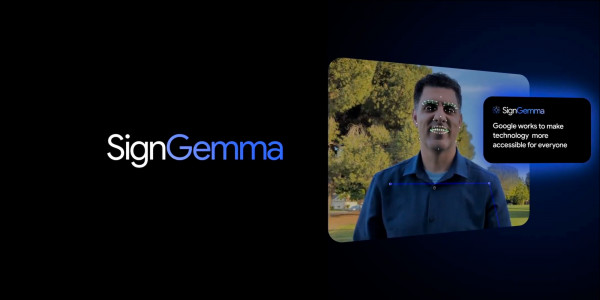
At I/O 2025, Google unveiled SignGemma, a groundbreaking AI model within the Gemma family designed to translate sign language, specifically American Sign Language (ASL), into spoken English text in real-time. This open-source model aims to significantly improve accessibility for the 70 million deaf people globally by addressing the complexities of visual language, including hand movements, facial expressions, and body positioning. SignGemma holds immense potential for applications in customer service, education, healthcare, and workplace accessibility.
Mistral Agents API: The French Challenger Takes on Silicon Valley AI Agent Race
France's Mistral AI has launched a new Agents API, a comprehensive platform enabling AI agents to perform real-world actions, maintain context, and coordinate complex tasks. It includes built-in connectors for code execution, image generation, web search, and document access, distinguishing itself from basic chatbots. By focusing on multi-agent orchestration and open standards like the Model Context Protocol, Mistral aims to offer a robust and flexible alternative for enterprise AI automation.
Claude Gets Chatty: Anthropic Joins the AI Voice Wars with New Voice Mode
Anthropic has introduced voice mode for its AI assistant, Claude, built on the Claude Sonnet 4 model, enabling users to have natural conversations, interact with documents and images, and integrate with Google Workspace for paid subscribers. This move intensifies the AI voice assistant battleground, where competitors like OpenAI's ChatGPT and Google's Gemini Live are also vying for supremacy, focusing on natural interaction and enhanced productivity, despite early challenges in voice quality and human-like speech.
Court Files Expose OpenAI Ambitious Plot to Turn ChatGPT Into a Super-Assistant
An internal OpenAI strategy document for 2025 reveals plans to evolve ChatGPT into a "super-assistant" with broad and deep "T-shaped skills," capable of performing agentic tasks and personalized interactions across platforms. This ambitious shift aims to generate revenue to fund more advanced AI models, with OpenAI surprisingly identifying Meta, rather than Google, as its primary long-term competitor due to Google's potential business model cannibalization risks.
Google Co-Founder Sergey Brin Thinks Your Kids Should Not Worry About College Anymore
Sergey Brin, Google's co-founder, asserts that AI's rapid advancement marks the most transformative moment in computer science history, outpacing even the early internet. He highlights AI's ability to perform complex tasks in minutes that would take humans weeks, the unsettling finding that threatening AI models improves performance. Brin suggests that traditional education may become less relevant as AI surpasses human capabilities in many academic areas, and anticipates a future of converged, universal AI models and a shift towards voice-based interaction.
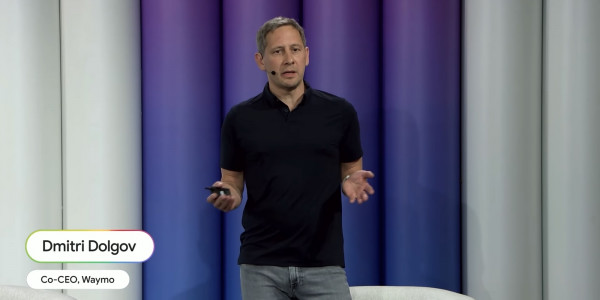
Waymo Dmitri Dolgov Reveals How AI Is Solving the Hardest Driving Problems
Motivated by global road fatalities, Waymo, co-led by Dmitri Dolgov, has transformed from a Google project into a leading self-driving car service, completing over 250,000 autonomous rides weekly. Powered by advanced AI (neural networks, transformers, large language models), Waymo's vehicles exhibit "superhuman" safety, with 81% fewer injury-causing crashes than human drivers and being 10 times safer according to an insurance study. This technology aims to revolutionize transportation, urban design, and ultimately save lives by eliminating human error from driving.
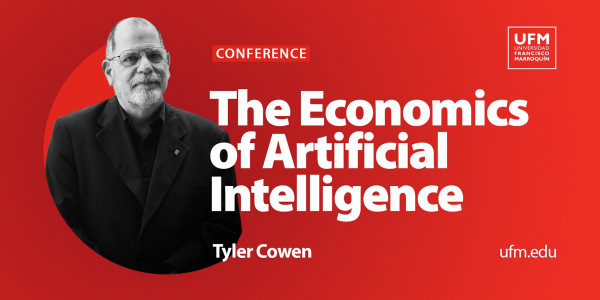
Two Distinct Paths Forward: AI Will Make You Rich or Lazy (Your Choice)
Economist Tyler Cowen argues that AI is rapidly outperforming human experts in many fields, demanding a shift from competing against AI to collaborating with it. This "Great Humbling" devalues traditional knowledge and elevates skills like AI "training" and strategic orchestration, creating unprecedented opportunities for individuals and reshaping education and geopolitics, while also extending human lifespans.
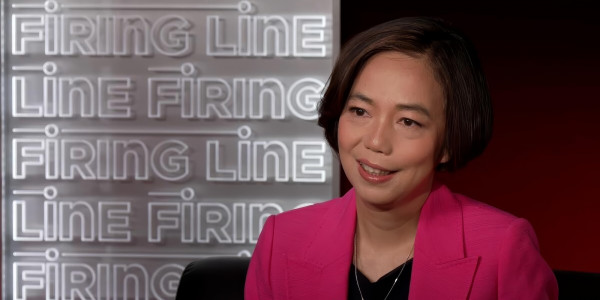
Why the Godmother of AI Says We Are Getting Regulation All Wrong
Fei-Fei Li, the "godmother of AI," advocates for a human-centered approach to AI development, emphasizing its dual nature as a tool with immense potential but also inherent risks like bias and job displacement. She stresses the importance of diversity in the AI field, increased university funding for foundational research, and pragmatic, application-specific regulation. Li believes AI education is crucial for responsible use, urging humanity to intentionally shape AI's future to reflect democratic values and enhance human agency.
Inside Google DeepMind: How 15 People Accomplished What Took Humanity 50 Years
At the London premiere of "The Thinking Game," Google DeepMind's Demis Hassabis revealed that a small team of 15-20 people accomplished in a few years what took tens of thousands of scientists five decades: determining protein structures. While the global scientific community had painstakingly identified 150,000 protein structures over 50 years, DeepMind's AlphaFold system predicted 200 million in just a few years, compressing what would be a billion years of PhD-level work into a single year and making these structures accessible to over 2.5 million researchers globally, with potential to revolutionize drug discovery and other scientific fields.
Project Mariner: Google Web-Browsing AI Agent Comes to Premium Subscribers
Google's Project Mariner is an AI agent that automates web tasks, evolving from a limited 2024 prototype to a powerful tool available through the $249.99/month Google AI Ultra plan. It now runs on cloud VMs, allowing simultaneous background tasks and deep integration with Google services like Search, differentiating it from competitors. With practical applications in job hunting, task coordination, and shopping, and developer access via APIs, Project Mariner aims to transform web interaction, though its premium pricing targets power users and businesses in this early stage of AI agent development.
Google New Gemini 2.5 Pro Deep Think Mode Prioritizes Accuracy Over Speed
At Google I/O 2025, Google announced Gemini 2.5 Pro's new experimental "Deep Think" reasoning mode, which distinguishes itself by pausing to consider multiple possibilities before responding, unlike most AI that offers rapid-fire answers. This deliberative approach, mirroring human problem-solving, has yielded remarkable results, including a leading score on the LiveCodeBench, 84.0% on the MMMU multimodal reasoning benchmark, and impressive performance on the 2025 USAMO (USA Mathematical Olympiad), a notoriously difficult math benchmark.
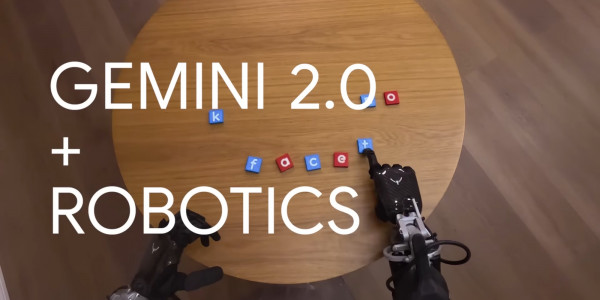
Google Demos $27,000 ALOHA 2 Robot Arms That Learn by Watching Humans Work
At Google I/O, Google showcased ALOHA 2, a bimanual robotic system powered by Gemini AI that can perform complex, human-like tasks with impressive dexterity, such as folding laundry or tying knots. While the full tabletop setup costs over $27,000, Google considers it "low-cost" for robotic research, highlighting a crucial point in the evolution of robotics. The integration with Gemini AI allows the robots to learn from demonstrations and generalize tasks, moving beyond simple motion copying towards genuine comprehension, representing a significant shift in robot development towards data-driven learning and adaptability.
ByteDance Open-Source Multimodal AI Model That Challenges GPT-4o and Gemini 2.0
ByteDance and university collaborators have released BAGEL, an open-source multimodal AI model aiming to compete with proprietary systems like GPT-4o and Gemini 2.0. Unlike its closed-source counterparts, BAGEL offers complete transparency and free access to its code and model weights, democratizing advanced AI capabilities. This "unified multimodal" system can understand and generate text and images, and even perform complex tasks like image editing, video frame prediction, and visual reasoning, thanks to its "Mixture-of-Transformer-Experts" architecture and "thinking" mode.
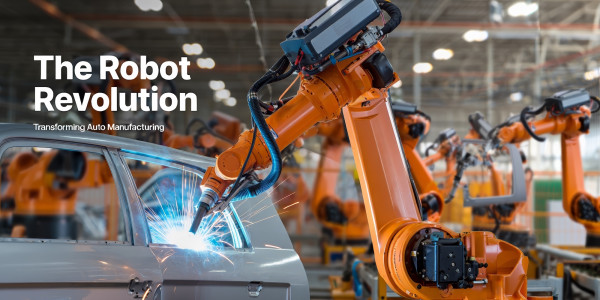
Humanoid Robot Army and the Battle for The $4.7 Trillion Manufacturing Robot Race
The automotive industry is undergoing a significant transformation driven by advanced robotics, moving beyond traditional automation to incorporate AI-powered, vision-guided, and even humanoid robots. This shift is enabling virtual factory testing through "digital twins," fostering human-robot collaboration with "cobots," and aiming for increased efficiency and reduced labor costs, although fully "dark factories" remain a future aspiration. The global race in robotics, particularly between the US and China, highlights the immense economic stakes and the potential for new supply chain opportunities.
Inside Stargate: The $500 Billion Gamble That Could Define America AI Future
Project Stargate, a $500 billion partnership between OpenAI, SoftBank, and Oracle, is underway in Abilene, Texas, aiming to build the world's most powerful AI infrastructure. This massive undertaking involves constructing eight buildings to house up to 400,000 Nvidia Blackwell chips, requiring an unprecedented 1.2 gigawatts of power, enough for 750,000 homes. Abilene was chosen for its abundant and cheap renewable energy, with the project securing an 85% property tax reduction.